
As environmental preservation becomes an increasingly important priority, forestry professionals and land management contractors are actively seeking environmentally friendly mulching solutions that deliver both performance and sustainability. These innovative technologies make it possible to balance operational efficiency with ecosystem protection while maximizing the value of vegetation residues. Adopting eco-friendly mulching practices has become a critical strategy for reducing the carbon footprint of forestry operations and contributing to biodiversity conservation.
Environmental benefits of modern mulching practices
Eco-friendly mulching has transformed the traditional approach to vegetation and green waste management. Unlike conventional methods that often involve transporting and burning plant residues, on-site mulching returns valuable organic matter directly to the soil. This circular approach naturally enriches the ground with essential nutrients while significantly improving soil structure and long-term fertility.
Modern forestry mulching equipment is designed to minimize environmental impact through low-emission engines and advanced filtration systems. These machines can reduce CO₂ emissions by up to 70% compared to traditional vegetation disposal methods. Processing vegetation on-site also eliminates transportation-related costs and emissions associated with hauling green waste to external disposal facilities.
Another major advantage is the positive effect on local biodiversity. Natural mulch created during the process provides a favorable habitat for soil microorganisms and beneficial insects, supporting the ecological balance of treated areas. Organic ground cover also protects against soil erosion and helps retain moisture, creating healthier growing conditions for surrounding vegetation.
Innovative technologies for sustainable mulching
The latest generation of eco-friendly forestry mulchers incorporates advanced technologies designed to maximize energy efficiency and environmental performance. High-performance hydraulic systems deliver smoother operation while reducing fuel consumption. Self-sharpening cutting tools made from specialized steel ensure cleaner cuts that support natural vegetation recovery and minimize ecosystem disruption.
Innovation is also evident in intelligent control systems that automatically adjust mulching speed and intensity based on vegetation type and density. This technology helps preserve soil ecosystems by preventing excessive grinding while maintaining an optimal mulch particle size for natural decomposition. Integrated sensors can also detect and avoid sensitive natural obstacles, further reducing environmental impact.
Premium equipment now features advanced particulate filtration systems that capture fine particles before they are released into the atmosphere. These emission-control technologies meet the most stringent environmental standards while improving air quality on job sites. The increasing compatibility of forestry mulchers with alternative fuels such as biodiesel further strengthens their sustainability credentials.
Mulching techniques for ecosystem preservation
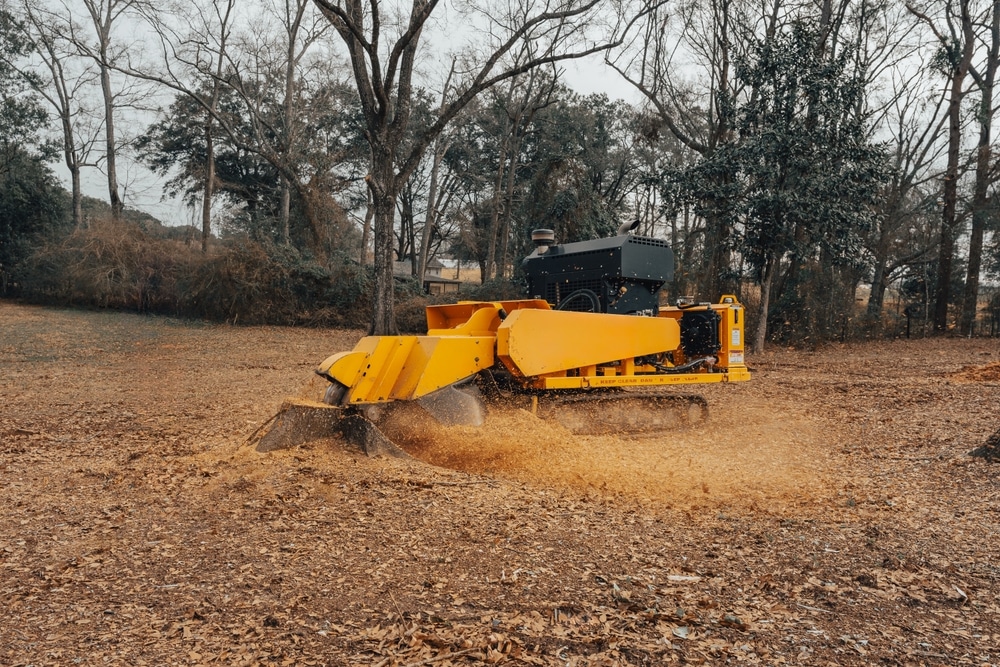
Implementing environmentally friendly mulching solutions requires a strategic approach that considers the unique characteristics of each environment. Scheduling operations around biological cycles helps minimize impacts on local wildlife reproduction and sensitive plant species. Nesting, breeding, and flowering periods should be carefully respected to maintain ecological balance.
The selective treatment of vegetation is another key component of sustainable mulching practices. Invasive plant species can be targeted to encourage the regeneration of native vegetation, while protected and rare species should be carefully preserved. This selective approach requires botanical expertise and precision equipment capable of operating effectively in sensitive environments.
The ideal mulch depth varies depending on climate conditions and land management objectives. A layer that is too thin may not provide adequate protection against moisture loss and temperature fluctuations, while excessively thick mulch can inhibit natural germination and create harmful anaerobic conditions. Experienced operators typically maintain mulch depths between 3 and 8 centimeters (1 to 3 inches), depending on site-specific requirements.
Long-term environmental and economic benefits
Investing in sustainable mulching solutions generates substantial long-term economic advantages. Reduced transportation and vegetation disposal costs can lower land management expenses by as much as 40%. At the same time, improved soil health decreases reliance on chemical fertilizers by naturally enhancing nutrient availability.
A strong commitment to sustainability also enhances a company’s environmental reputation. Both public agencies and private clients increasingly favor contractors who demonstrate responsible environmental practices. This positive differentiation can support premium pricing and strengthen long-term customer relationships.
Improved soil quality and resilience result in healthier vegetation growth and greater resistance to environmental stresses such as drought and extreme temperatures. These long-term improvements reduce future maintenance requirements and associated costs. Natural mulch also suppresses weed growth, reducing the need for herbicides and manual weed control.
Selecting the right eco-friendly mulching equipment
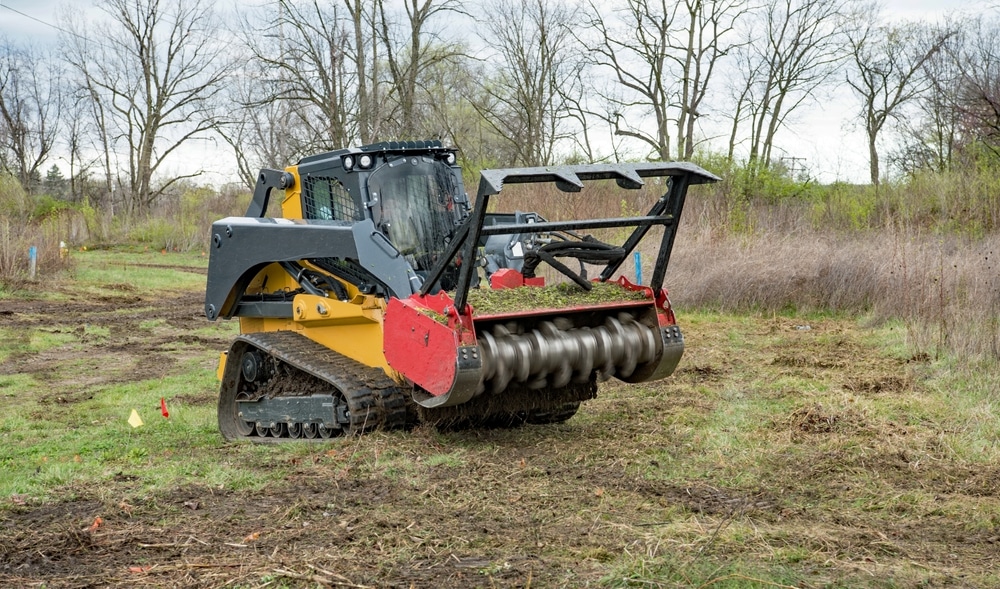
Choosing an eco-friendly mulching machine requires evaluating several important environmental factors. Compliance with Stage V emissions standards ensures minimal impact on air quality, while energy-efficiency ratings help identify equipment with lower fuel consumption. The durability of components also influences the overall carbon footprint of the machine throughout its lifecycle.
The adaptability of mulching equipment to different vegetation types is equally important for achieving optimal environmental outcomes. Modular systems allow operators to customize cutting tools based on the species being treated, helping preserve young growth and sensitive vegetation. This flexibility reduces the need for multiple specialized machines and lowers the overall environmental impact of operations.
Many suppliers also provide technical support and sustainability training to help customers implement environmentally responsible mulching practices. These services often include guidance on regulatory compliance, ecological best practices, and equipment optimization strategies, enabling operators to maximize the environmental benefits of their investment.
Adopting environmentally friendly mulching solutions is a strategic investment in both the future of your business and the protection of natural ecosystems. These proven technologies combine operational performance with biodiversity conservation, creating a pathway toward sustainable land and forestry management. To learn more about our complete range of eco-friendly mulching equipment and benefit from expert guidance, contact us today and take an active role in advancing sustainable forestry practices.