
Forest mulching operations are among the most demanding activities in the forestry and land management industries when it comes to safety. These mechanized processes, which involve shredding standing vegetation into mulch directly on-site, expose operators to multiple hazards, including flying debris, contact with powerful machinery, challenging terrain conditions, and the handling of heavy equipment. To protect workers and maximize productivity, implementing rigorous safety protocols is essential.
Personal protective equipment: the first line of defense
The use of appropriate personal protective equipment (PPE) forms the foundation of every safe forest mulching operation. All crew members should wear certified safety helmets equipped with mesh face shields to protect against flying wood chips and vegetation debris. Additional safety glasses are recommended to provide enhanced eye protection.
Work clothing should be durable, properly fitted, and free from loose elements that could become entangled in machinery. Cut-resistant and anti-vibration gloves help protect operators during equipment handling, while steel-toe safety boots with aggressive tread patterns provide reliable traction on uneven or slippery terrain.
Hearing protection is particularly important due to the high noise levels generated by forestry mulchers and heavy equipment. Earplugs or earmuffs help preserve long-term hearing health while allowing workers to maintain effective communication on-site.
Training and certification for mulching equipment operators
Operating forest mulching equipment requires specialized training and appropriate certification. Operators must fully understand machine controls, equipment limitations, and emergency shutdown procedures. Training programs also cover terrain assessment, hazard identification, and safe operating techniques.
Most training programs include both classroom instruction and hands-on practice. Theoretical modules focus on machine mechanics, safety regulations, and risk management, while practical sessions allow operators to become familiar with controls, develop proper operating techniques, and build essential safety awareness.
Regular skills updates and continuing education are necessary to maintain high safety standards. Advances in technology, regulatory changes, and lessons learned from field experience make ongoing training an important component of professional development.
Site preparation and forest mulching jobsite inspections
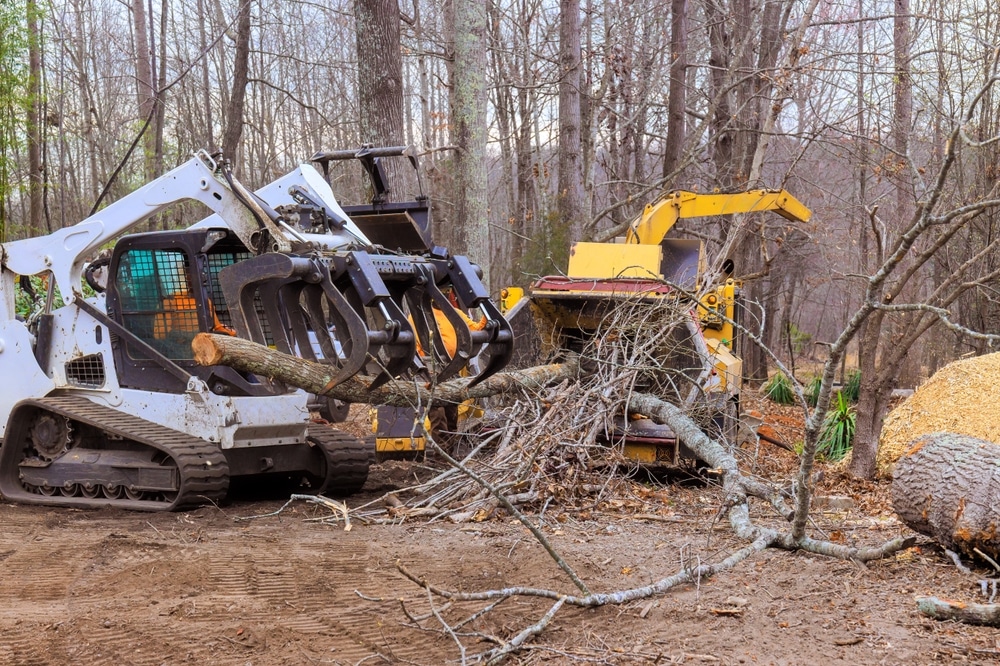
Before operations begin, a thorough jobsite inspection should be conducted to identify and mitigate potential hazards. This assessment includes locating hidden obstacles such as stumps, rocks, sinkholes, or uneven ground that could affect machine stability.
Checking for overhead and underground utility lines is another critical safety step. Establishing exclusion zones around utility infrastructure and coordinating with utility providers helps prevent serious accidents involving electrical contact.
Equipment should also undergo a complete pre-operation inspection. Key inspection points include:
- Hydraulic fluid and coolant levels
- Condition of hydraulic hoses and fittings
- Tightness of bolts and mounting hardware
- Condition and sharpness of cutting tools
- Proper operation of safety systems and emergency stop controls
Operational procedures and safety zones
Clearly defined safety exclusion zones around active mulching equipment help protect workers who are not directly involved in operations. These zones should account for the maximum potential range of flying debris as well as machine maneuvering space.
Effective communication among crew members should follow standardized procedures. Visual and audible signals can be used to coordinate activities and communicate hazards, while two-way radio systems facilitate communication across larger work areas without compromising safety.
Emergency shutdown procedures must be thoroughly understood by every member of the team. These procedures should clearly define the actions required in the event of equipment failure, worker injury, or any unexpected hazardous situation. Rapid execution of emergency protocols can significantly reduce the severity of an incident.
Preventive maintenance and mechanical risk management
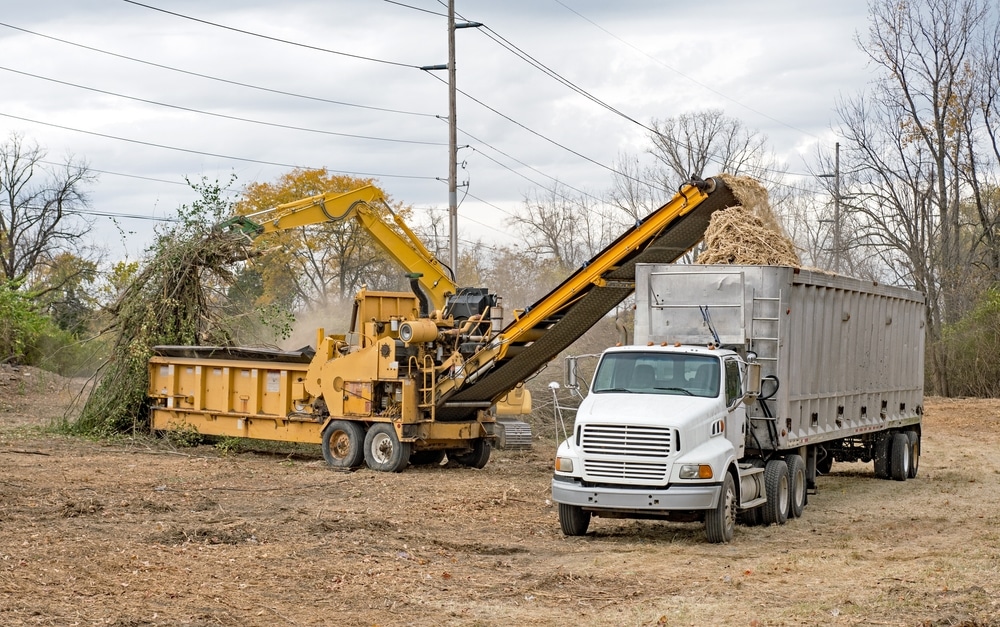
A well-structured preventive maintenance program is a critical component of forest mulching safety. Proactive maintenance helps identify and correct potential failures before they develop into dangerous situations or costly breakdowns.
Maintenance work should always follow strict lockout and isolation procedures. Disconnecting power sources, relieving hydraulic pressure, and securing moving components help protect technicians while servicing equipment. Using proper tools and following manufacturer guidelines further reduces the risk of maintenance-related accidents.
Maintaining detailed service records improves equipment tracking and helps predict future maintenance needs. This documentation also contributes to increased equipment uptime, better operational planning, and lower long-term ownership costs.
Safety in forest mulching operations depends on the successful combination of proper equipment, operator training, standardized procedures, and preventive maintenance. Far from being an administrative burden, these practices represent a valuable investment that protects workers while improving productivity and operational efficiency. To learn more about our complete range of forestry mulching equipment and benefit from expert safety guidance, contact the MulchingMachineSupply team today.