
The forestry and land management industry is undergoing an unprecedented technological revolution. Innovations in plant residue recycling are fundamentally transforming how vegetation waste is processed and valorized, delivering sustainable solutions that combine economic performance with environmental responsibility. These technological advancements are redefining industry standards and opening new opportunities for professionals seeking to optimize their operations.
In the context of current climate challenges and increasing regulatory pressure, the adoption of innovative plant residue recycling technologies has become a strategic necessity. These breakthrough solutions not only reduce the environmental impact of forestry activities but also create new revenue streams from materials that were once considered waste.
Advanced grinding and composting technologies
Next-generation mulching and grinding machines now integrate intelligent processing systems that automatically optimize operating parameters based on the type of vegetation residue. These advanced systems use IoT sensors to analyze material composition in real time, adjusting rotor speed and output particle size to maximize processing efficiency.
The introduction of self-sharpening blades and automatic lubrication systems significantly extends equipment lifespan while reducing maintenance costs. These technological improvements allow operators to process larger volumes with up to 30% lower energy consumption compared to conventional models.
New accelerated composting systems use specially selected microorganisms to transform plant residues into high-quality compost in just 21 days, compared to several months using traditional methods. This acceleration of natural decomposition processes creates new commercial opportunities for industry stakeholders.
Energy recovery and biofuel production
The conversion of plant residues into next-generation biofuels represents one of the most promising innovations in the sector. Fast pyrolysis technologies enable the transformation of pruning and forestry waste into bio-oils that can be used directly in diesel engines or refined into biodiesel feedstock.
Advanced gasification systems convert woody biomass into high-quality syngas, which can be used for electricity generation or industrial heating. This approach enables full valorization of forestry residues while producing locally sourced renewable energy.
Innovation in the field of modular bioreactors facilitates the deployment of these technologies directly on forestry operation sites. These mobile or semi-mobile units reduce transportation costs and enable immediate valorization of plant residues, significantly improving operational profitability.
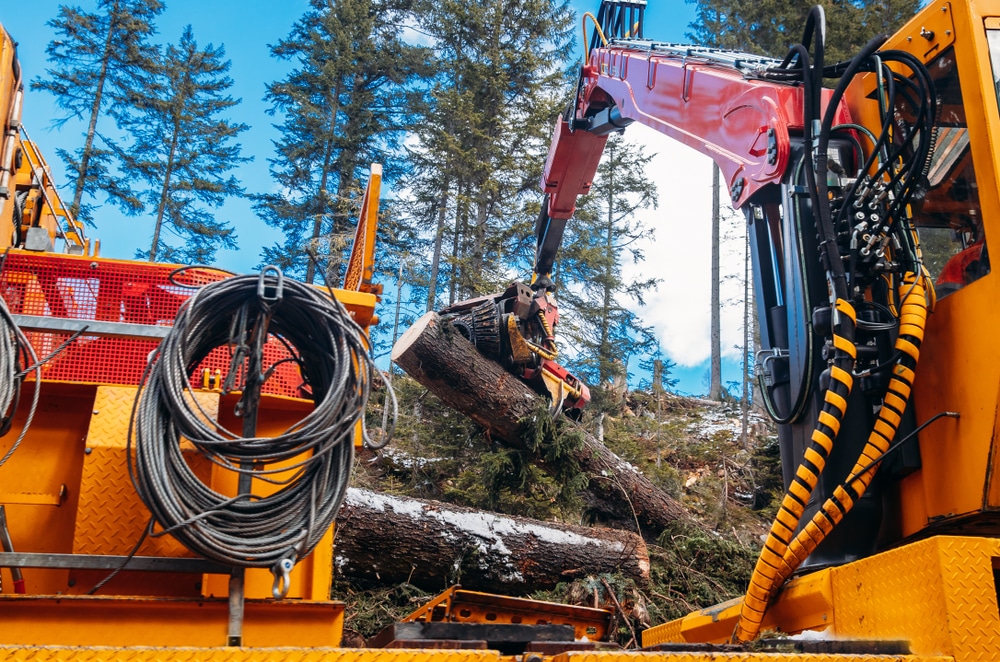
Sustainable plant residue recycling solutions
Decentralized biorefinery technologies are revolutionizing plant residue recycling by enabling the simultaneous extraction of multiple high-value products. These advanced facilities produce textile fibers, bioplastics, food additives, and pharmaceutical compounds from forestry by-products.
The use of artificial intelligence to optimize sorting and separation processes significantly improves the quality of final outputs. These automated systems can identify and separate different types of plant residues with up to 99% accuracy, maximizing the value extracted from each processed fraction.
Innovations in bio-based materials allow mulching residues to be transformed into construction panels, thermal insulation materials, and high-performance composites. These industrial applications create sustainable and profitable outlets for plant waste while supporting circular economy models.
Environmental and economic impact of innovation
The adoption of these advanced recycling technologies delivers substantial environmental benefits. CO₂ emissions reductions can reach up to 80% compared to traditional plant residue disposal methods, significantly contributing to corporate carbon neutrality goals.
The creation of new revenue streams is reshaping the forestry sector’s economic model. Plant residues, once considered an operational cost, are now becoming profit-generating assets through their conversion into high-value products. This economic shift enhances both profitability and long-term sustainability.
Green jobs generated by these innovations also support local economic development while addressing the challenges of ecological transition. The new skills required to operate these advanced systems are driving professional training and innovation across the industry.
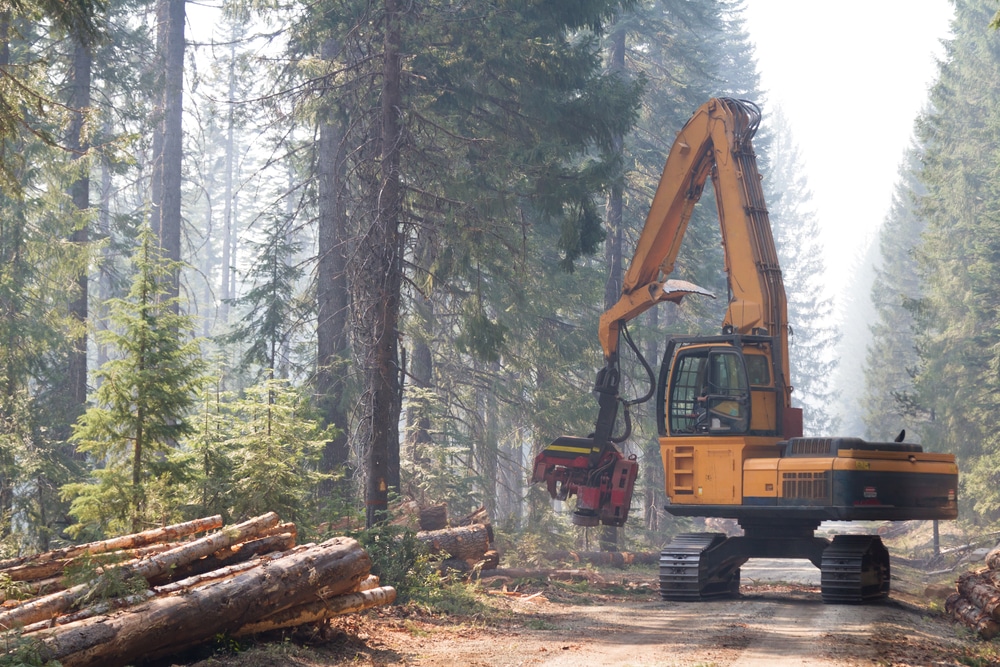
Future outlook for the industry
Current research efforts are focused on developing autonomous systems capable of processing plant residues directly in the field. These robotic forestry units equipped with mobile grinding and valorization technologies are expected to significantly transform forestry practices in the coming years.
The integration of blockchain technology to track and certify the origin of recycled products addresses growing demands for transparency from consumers and environmental regulators. This digital traceability enhances the market value of recycled forestry products in premium segments.
Partnerships between machinery manufacturers, research institutions, and end users are accelerating the development of customized solutions tailored to regional conditions and operational constraints. This collaborative approach fosters the emergence of practical, high-performance innovations.
Innovations in plant residue recycling are fundamentally transforming the forestry and land management industries. These breakthrough technologies offer exceptional opportunities to improve profitability while addressing critical environmental challenges. To discover how these innovations can optimize your operations and explore our full range of advanced mulching equipment, contact our experts today via MulchingMachineSupply.com.