
The forestry industry is experiencing a revolutionary transformation driven by technological innovation and environmental consciousness. Modern forestry machinery is becoming smarter, more efficient, and increasingly sustainable, reshaping how professionals approach forest management and vegetation processing. From autonomous mulching systems to precision cutting technologies, these latest trends are setting new standards for productivity while minimizing environmental impact across the sector.
Autonomous and smart forestry equipment revolution
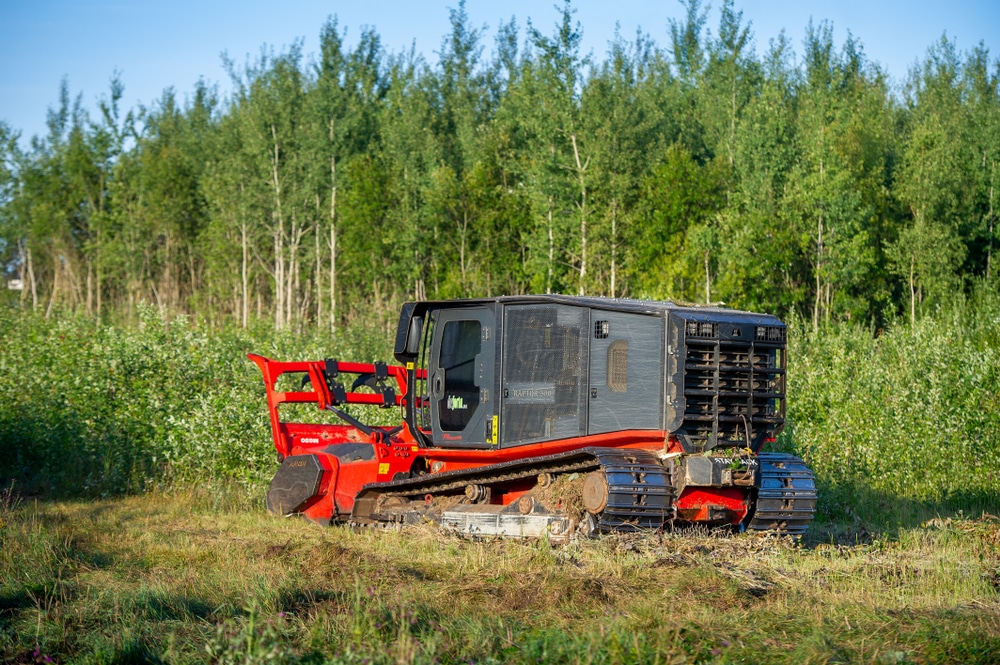
The integration of artificial intelligence and automation represents one of the most significant forestry machinery innovations of recent years. Leading manufacturers are developing self-operating mulchers and brush cutters equipped with GPS navigation, obstacle detection sensors, and programmable cutting patterns. These autonomous systems can work continuously in challenging terrain, reducing operator fatigue while maintaining consistent performance standards.
Smart connectivity features are becoming standard across professional equipment lines. Modern mulching machines now incorporate IoT sensors that monitor engine performance, track maintenance schedules, and optimize fuel consumption in real-time. Operators can remotely access machine diagnostics through mobile applications, enabling predictive maintenance strategies that minimize downtime and extend equipment lifespan.
Machine learning algorithms are also being integrated into cutting systems, allowing equipment to adapt automatically to different vegetation types and density levels. This intelligent processing capability ensures optimal mulching results while reducing unnecessary wear on components, ultimately improving both efficiency and operational costs.
Sustainable mulching technology advancements
Environmental sustainability has become a driving force behind the latest mulching technology developments. Manufacturers are prioritizing low-emission engines that meet increasingly stringent environmental regulations while maintaining the power requirements necessary for demanding forestry applications. Hybrid and electric powertrain options are emerging for smaller-scale operations, offering quieter operation and zero local emissions.
Advanced biomass processing capabilities are transforming waste management approaches in forestry operations. Modern mulchers can now produce various grades of wood chips and organic matter suitable for different applications, from landscaping mulch to biomass fuel. This versatility maximizes the value extracted from vegetation clearing projects while supporting circular economy principles.
Precision cutting systems have evolved to minimize soil disturbance and protect beneficial root systems during selective clearing operations. These environmentally conscious technologies help maintain ecosystem balance while achieving desired vegetation management objectives, appealing to environmentally aware clients and regulatory compliance requirements.
Enhanced operator safety and comfort features
Modern forestry machinery design prioritizes operator wellbeing through innovative safety systems and ergonomic improvements. Advanced protective structures now incorporate impact-resistant materials and improved visibility systems, including 360-degree camera arrays and proximity warning systems that alert operators to potential hazards in their working environment.
Cabin comfort has reached new levels with climate-controlled environments, noise reduction technologies, and intuitive control interfaces. Many manufacturers are implementing user-friendly digital displays that consolidate machine functions and provide real-time performance feedback, reducing operator stress and improving overall productivity.
Remote operation capabilities are expanding beyond simple monitoring to include full machine control from safe distances. This technology proves particularly valuable in hazardous conditions or when working in areas with unstable terrain, allowing operators to maintain safe distances while completing necessary vegetation management tasks.
Precision forestry and data-driven operations
The integration of precision agriculture principles into forestry operations is creating new opportunities for optimized resource management. GPS-guided systems enable accurate mapping of cleared areas, treatment applications, and productivity metrics. This data-driven approach supports better project planning and provides clients with detailed documentation of completed work.
Drone technology is increasingly complementing ground-based machinery by providing aerial reconnaissance, vegetation health monitoring, and progress tracking capabilities. These integrated systems allow operators to identify priority areas, optimize machine deployment, and verify completion standards efficiently.
Digital fleet management platforms are revolutionizing how forestry contractors manage multiple machines across diverse project sites. Real-time tracking, fuel monitoring, and productivity analysis enable better resource allocation and improved profitability margins while maintaining high service quality standards.
Modular and versatile equipment designs
Equipment versatility has become increasingly important as contractors seek to maximize their investment returns across diverse project types. Modern modular machinery systems allow operators to quickly adapt their equipment for different applications, from fine landscaping work to heavy-duty forest clearing operations.
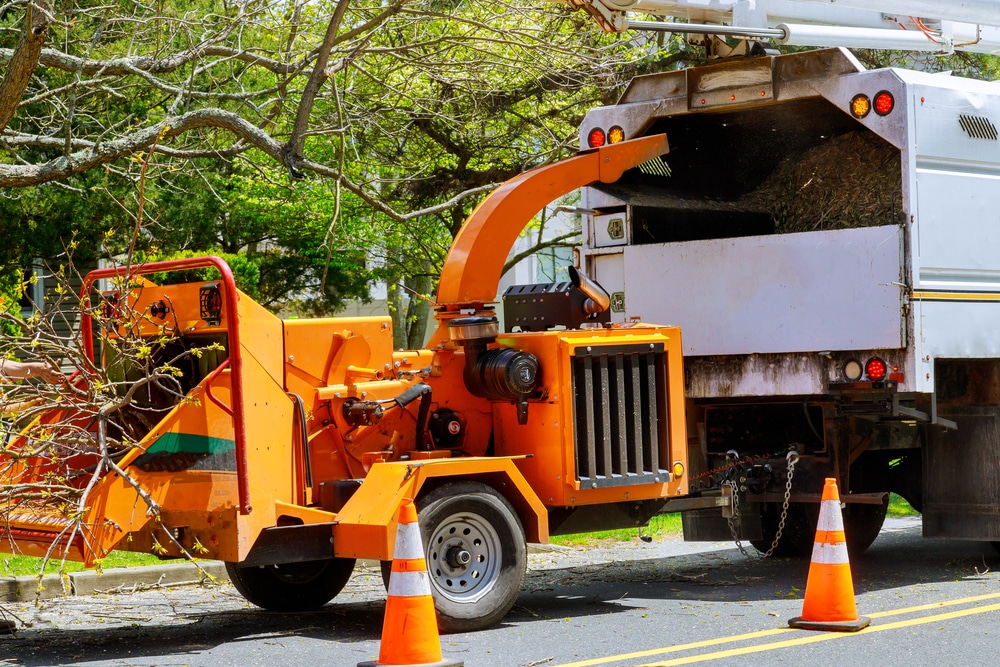
Quick-change attachment systems enable single machines to perform multiple functions, reducing the need for specialized equipment purchases. Mulching heads, brush cutters, and stump grinders can often be interchanged on the same carrier unit, providing exceptional flexibility for varying project requirements.
Compact yet powerful designs are addressing the growing demand for equipment suitable for urban forestry applications. These machines combine the cutting power needed for professional results with the maneuverability required for working in confined spaces around buildings, utilities, and landscape features.
The forestry machinery industry continues to evolve rapidly, driven by technological innovation, environmental considerations, and changing operational demands. These trends represent significant opportunities for professionals seeking to enhance their capabilities while meeting modern sustainability and efficiency expectations. To explore how the latest forestry machinery innovations can transform your operations, contact our expert team at MulchingMachineSupply.com for personalized equipment recommendations and technical support.